• Skip to primary navigation
  • Skip to main content
  • Skip to primary sidebar

I Love South Florida

Miami | Broward | Palm Beach

  • Food
  • Eating Guide
  • News
  • Entertainment
  • Travel
  • Things to Do
  • Best Beaches
  • Popular
  • Latest Posts
  • About
  • Contact
  • Beach Day Kit
  • Hurricane Prep
  • Local Pride

How To

South Florida Beach Day Kit: What Locals Actually Pack

September 23, 2026 by I Love South Florida Leave a Comment

Disclosure: Product links go to retailers for convenience. We are not currently earning commissions from these links. If we add affiliate tracking later, we will update this notice.

A South Florida beach day fails for boring reasons: not enough water, shade that will not stay put, sunscreen that washes off before lunch, and a phone that learns to swim. This is a tightly curated beach day kit for Miami–Dade, Broward, and Palm Beach — what locals actually pack, not a 40-item influencer haul.

Pair this with our Best Beaches in South Florida guide when you are choosing a stretch of sand, and verify same-day flags, parking, and tent rules on site.

The core kit (everyone)

  1. Broad-spectrum, water-resistant sunscreen (SPF 30+) — Apply before you leave the house; reapply after swimming. Reef-aware formulas are kinder to our waters when you have a choice.
  2. Brimmed hat + UV sunglasses — The ocean breeze hides how hard the sun is working.
  3. Insulated water bottle (one per person) — Plus a backup bottle or soft cooler in the car. Dehydration sneaks up faster than sunburn.
  4. Quick-dry towel or sand-shedding beach blanket — Fine Atlantic sand sticks to everything; shake-out towels earn their keep.
  5. Soft cooler + ice packs — Soft-sided packs walk farther from parking than hard coolers. No glass on the sand.
  6. Compact shade (umbrella with a real sand anchor, where allowed) — Many beaches restrict oversized canopies and staking. Read posted rules before you schlep a cabana from the trunk.
  7. Waterproof pouch for phone and keys — Salt water and rideshares are an expensive combo.
  8. Small trash bag — Pack out what you pack in. Turtle nesting season makes “leave no holes” a real rule, not a slogan.

Shop the core kit

  • Reef-aware / water-resistant sunscreen
  • Wide-brim UPF sun hat
  • UV400 polarized sunglasses
  • Insulated stainless water bottle
  • Sand-shedding / quick-dry beach towel
  • Soft-sided beach cooler
  • Beach umbrella with sand anchor
  • Floating waterproof phone pouch

Comfort upgrades (worth it for a long day)

  • Backpack beach chair — Hands-free walk from the lot matters at Hollywood Broadwalk, Haulover, and Key Biscayne.
  • UPF rash guard or long-sleeve sun shirt — Reapply sunscreen less often on shoulders and back.
  • Water shoes — Helpful on shelly or rocky entries; match the sole to the beach, not the catalog photo.
  • After-sun aloe and a basic bandage tin — Shells, hot asphalt, and jellyfish season are part of the package.
  • Lightweight backpack beach chair
  • UPF rash guard / sun shirt
  • Adult water shoes
  • After-sun aloe gel

Family add-ons

  • Coast Guard–approved life jacket sized for the child who will wear it (arm floaties are not a substitute).
  • Pop-up shade only where parks allow it — confirm size limits.
  • Extra snacks, a change of clothes in a wet bag, and one designated water-watcher adult.
  • USCG-approved kids life jacket
  • Wet/dry bag

How we curate this list

We prioritize heat, UV, sand, salt, and parking walks — the South Florida failure modes — over gadgets. Prices and stock change; treat retailer links as starting points, not endorsements of a single SKU. For bike-plus-beach days, see our Haulover bike route notes and Things to Do hub for storm-day backups.

Related reading

  • Best Beaches in South Florida
  • Shark-smart beach tips
  • Hurricane prep basics kit
  • Local pride accessories

Updated September 2026. Evergreen packing guide — verify beach rules and swim conditions locally on the day you go.
Filed Under: Featured, How To, Travel

South Florida Hurricane Prep Basics: A Practical Starter Kit

September 23, 2026 by I Love South Florida Leave a Comment

Disclosure: Product links go to retailers for convenience. We are not currently earning commissions from these links. If we add affiliate tracking later, we will update this notice. This page is not emergency advice — follow official county and state guidance.

Hurricane season in Florida runs June 1–November 30. The calm mistake is waiting for a named storm to shop. Shelves empty, gas lines grow, and delivery windows vanish. This hurricane prep basics assortment is a practical South Florida starter kit aligned with guidance from the Florida Division of Emergency Management and Ready.gov — build it early, then tailor for pets, infants, and medical needs.

Official checklists beat any blog when lives are on the line. Bookmark FloridaDisaster.org, Ready.gov hurricanes, and your county emergency management page. Know your evacuation zone before you need it.

Water, food, and power-out living (aim for 7 days)

Florida guidance increasingly stresses about seven days of supplies per person after recent storm seasons — not the old three-day minimum. Adjust upward for heat, multi-story buildings, and special diets.

  • Water: at least one gallon per person per day (drinking + sanitation). Store sealed commercial water or properly filled containers; rotate before expiry.
  • Food: ready-to-eat, no-cook or minimal-cook options you will actually eat — canned proteins, nut butters, bars, dried fruit, and infant formula if needed.
  • Manual can opener, paper goods, trash bags — when the power is out, dishwashing is optional; hygiene is not.
  • Emergency drinking water pouches / cases
  • No-cook emergency food assortments
  • Manual can opener

Light, alerts, and phone survival

  • Flashlights + spare batteries (one light per room beats one fancy lantern you cannot find).
  • NOAA Weather Radio — battery or hand-crank, with tone alerts. Cell networks congest; radio still works.
  • Power banks + car chargers — charge everything before landfall; keep a car charger for post-storm.
  • Whistle and glow sticks — simple signaling if you need help in the dark.
  • NOAA weather radio (battery / hand-crank)
  • LED flashlights + battery packs
  • High-capacity USB power bank
  • Emergency whistle + glow sticks

First aid, meds, and documents

  • Stocked first-aid kit plus a two-week supply of prescriptions when your doctor allows.
  • Copies of IDs, insurance, and med lists in a waterproof pouch (phone photos help; paper survives dead batteries).
  • Cash in small bills — card readers fail when power and networks do.
  • Mosquito protection for post-storm standing water (our climate does not take storm weeks off).
  • Family first-aid kit
  • Waterproof document pouch
  • Insect repellent

Home and go-bag extras for South Florida

  • Heavy-duty garbage bags, duct tape, work gloves, and a basic tool multi-kit for cleanup.
  • Rain ponchos and sturdy closed-toe shoes.
  • Pet carriers, food, water, meds, and leashes if animals are part of the household.
  • Full vehicle fuel before watches turn into last-minute scrambles.
  • Heavy-duty work gloves
  • Contractor duct tape
  • Emergency rain ponchos
  • Pet emergency kit supplies

What this kit is not

It is not plywood, generators, or roof work — those are home-hardening decisions with local codes and licensed help. It is not a substitute for evacuation orders. If county officials say go, go.

Related reading

  • South Florida beach day kit
  • Homemade mosquito trap tips
  • Things to Do hub (indoor pivots after storms)

Updated September 2026. Cross-check quantities and zone maps with FloridaDisaster.org and your county every season.

Filed Under: Featured, How To, News

South Florida Local Pride Accessories: A Tight Starter Assortment

September 23, 2026 by I Love South Florida Leave a Comment

Disclosure: Product links go to retailers for convenience. We are not currently earning commissions from these links. If we add affiliate tracking later, we will update this notice. Prefer local makers when you can; big-retailer links are for easy starter finds.

South Florida pride is loud in the best way: palm silhouettes, pastel sunsets, bilingual jokes, and “I survived hurricane season” energy. This local pride accessories assortment is a small, curated set for gifts, guest-room baskets, and everyday wear — not a warehouse of generic Florida souvenirs.

When you can, buy from South Florida artists, screen printers, and small shops (Wynwood, downtown West Palm, Las Olas markets, neighborhood pop-ups). The links below are convenient starter searches for classic pieces while you hunt a maker with a better story.

Wearables that travel well

  • Soft “I Love South Florida” / Miami–Broward–Palm Beach tees — Comfort-color blanks over stiff tourist-trap cotton.
  • Legacy-style Florida or county hats — Dad caps and truckers that survive convertible hair and beach parking lots.
  • Enamel pins and stickers — Low-cost gifts for visitors who already bought the shot glass.
  • Soft Florida / South Florida tees
  • Embroidered Florida dad hats
  • Florida enamel pins
  • Florida sticker packs

Beach-to-brunch carry

  • Canvas tote or mesh beach bag with a Florida motif — doubles as a market bag in Little Havana or Delray.
  • Insulated tumbler or can cooler — Practical pride for boat days and tailgates.
  • Lightweight scarf or UV wrap in tropical prints for air-conditioned restaurants after the sand.
  • Florida canvas totes
  • Insulated tumblers
  • Can coolers / koozies

Home and desk accents

  • Art prints of Miami skyline, Art Deco, or Everglades birds — Look for licensed local photographers when possible.
  • Florida-shaped cutting board or coaster set — Host gift that does not collect dust as fast as a snow globe.
  • Small flag or garden banner for condo balconies where rules allow.
  • Miami / South Florida art prints
  • Florida-shaped cutting boards
  • Florida coaster sets

Gift bundle ideas

  1. New resident welcome: tote + tumbler + sticker pack + our food starter guide printed or bookmarked.
  2. Snowbird host gift: soft tee + enamel pin + beach day essentials from the beach day kit.
  3. Storm-season care package: pair pride merch with something useful from hurricane prep basics — humor plus readiness.

How we keep this curated

We skip novelty junk that breaks in a week and anything that mocks communities rather than celebrating place. If you run a South Florida shop and want to be featured as a non-affiliate local partner, that is the long-term direction for this page.

Related reading

  • A Brief History of South Florida
  • Things to Do in South Florida
  • Beach day kit

Updated September 2026. Starter assortment — support local makers whenever you have the option.

Filed Under: Featured, How To, Popular

How To Grow A Lemon Tree

February 8, 2017 by I Love South Florida Leave a Comment

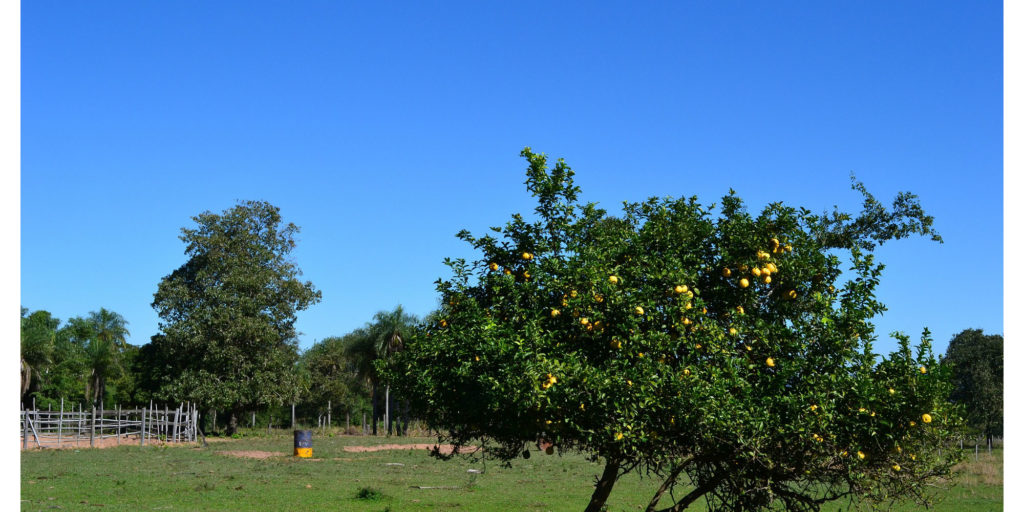
Lemon tree with ripe fruit
Grow a lemon tree and this could all be yours.

Light 2026 polish. South Florida’s climate is lemon-friendly if you give citrus sun, drainage, and hurricane-season respect. Fresh lemons beat dusty bottled juice for everyday water, cooking, and that little patio flex.

Lemons bring vitamin C and bright flavor. Health claims online get exaggerated — enjoy them as food, not miracle medicine.

How to grow a lemon tree from seed

You can start from fresh seeds (plant soon after removing them so they do not dry out) or buy nursery trees for faster fruiting. Seed-grown trees can take years and may not match the parent fruit. For detailed seed technique, university extension guides (such as New Mexico State’s lemon-from-seed notes) are more reliable than random social posts.

Many South Florida gardeners skip the long seed wait and buy a grafted tree from a local nursery — often the smarter path if you actually want fruit this decade.

South Florida planting tips

  • Sun: aim for full sun most of the day.
  • Soil: well-drained; citrus hates “wet feet.” Raised beds or large containers help in soggy yards.
  • Water: deep, infrequent watering once established; adjust in rainy season.
  • Storms: stake young trees and know your HOA/city rules before planting in easements.
  • Pests: watch for leaf miners and citrus greening concerns — ask UF/IFAS or a local nursery for current guidance.

Container growing on patios

A large pot with drainage holes works for many condo and townhome setups. Use quality citrus mix, fertilize on a label-based schedule, and roll the pot to follow winter sun if you are inland.

Growing more edibles at home? Pair this with our other how-tos like the homemade mosquito trap (because summer bites are real) and keep exploring Popular local tips.

General gardening overview — follow UF/IFAS or licensed nursery advice for cultivars, fertilizers, and disease response.

Filed Under: Blog, How To, Uncategorized Tagged With: HowTo, Lemon Tree

How To Make Natural Pesticide Spray

October 14, 2013 by I Love South Florida 1 Comment

homemade-natural-pesticideSouth Florida in the summer can be full of bugs and pests that will eat all of your precious plants and make you want to stay indoors.

As a result, most people resort to pesticides that can be harmful to them and the environment. Few people know that it is possible to make your own homemade pesticide spray – free of chemicals!


Here is how:

1.  Finely chop up a head of garlic and place them in a dish.

2.  Pour in 1 1/2 cups of mineral oil or any oil you may have available, then mix with the chopped garlic.

3.  Pour in a tablespoon of mild liquid soap, then mix the 3 ingredients.

4.  You may add hot peppers, hot sauce, or onions to strengthen up the mixture. I would not add in more than 4 tbsp of hot sauce, hand full of chopped onions, or 4 hot peppers.

5.  Pour the mixture into a sealable container and let it sit over night. Some let the mixture sit for 72 hours in room temperature.

6.  Add 3 to 4 cups of water into a spray bottle and then add the mixture and shake. You may want to sieve the mixture to remove chunks of vegetables that may cause blockage.

Too lazy or don’t have the time to make your own natural pesticide spray? You can always get a 32oz bottle of Orange Guard on Amazon for less than ten bucks, which uses orange peel extract as one of its main ingredients.

See Also: How To: Make a Homemade Mosquito Trap


Related articles across the web

  • The Role Of Organic Pesticides In California
  • Two Denver growing facilities recall marijuana that tested positive for use of unapproved pesticides
  • Bug poisons harm kids > Indoor insecticides associated with increased risk of childhood cancer.
  • The 3 Best DIY Garden Pest Sprays

Filed Under: How To, Popular, Uncategorized

How To: Survive Shark Week in South Florida

August 4, 2013 by I Love South Florida Leave a Comment

Updated for 2026. Discovery Channel’s Shark Week is entertainment. Living in South Florida means sharing the Atlantic and Gulf-side waters with sharks year-round. The good news: serious injuries are rare compared with how many people swim, surf, and fish here. The better news: simple habits cut risk further.

Perspective, not panic

Florida historically records more unprovoked shark bites than other U.S. states, with many incidents concentrated well north of Miami (notably around Volusia County’s surf hubs). Palm Beach County also appears regularly in long-term datasets. That does not mean every dip is dangerous — it means awareness belongs next to sunscreen on your mental checklist. For current statistics and science-based FAQ, the Florida Museum of Natural History’s International Shark Attack File is the gold-standard public reference.

Practical habits that help

  • Swim near lifeguards when possible, and heed beach flags / closure signs.
  • Avoid dawn, dusk, and night swimming in murky water when you can choose better timing.
  • Skip swimming near active fishing piers or where people are landing catch.
  • Leave shiny jewelry in the car; some flashes can resemble fish scales.
  • Do not harass wildlife — spearfishing and shark-feeding spectacles belong to trained operators, not casual beach days.
  • If you see a shark, exit calmly and steadily; splashy panic helps no one.

If a rare encounter turns physical

Experts generally advise fighting back against a biting shark — aiming for sensitive areas such as the eyes and gills — and seeking immediate medical care for any bite. This is emergency guidance, not a sport. Call for help as soon as you are safe.

Local context

South Florida’s reefs, inlets, and baitfish runs are why sharks are here. Healthy shark populations are part of a healthy ocean. Respect the water the way you respect thunderstorms in July: common sense, not fear.

Keep reading

  • Best Beaches in South Florida
  • Things to Do in South Florida
  • Homemade mosquito trap how-to
  • More How-To guides

Safety notes are general public guidance. Beach conditions and wildlife activity change daily — follow lifeguards and local alerts.

Filed Under: How To, Uncategorized Tagged With: Sharks, South Florida

How To: Make a Homemade Mosquito Trap

May 10, 2013 by I Love South Florida 2 Comments

Updated for 2026. Between summer rains, irrigation, and the Everglades next door, mosquitoes are part of South Florida life. Beyond itchy ankles, some species can transmit viruses — which is why county mosquito-control programs matter, and why small yard habits add up.

First: dump the breeding water

The highest-ROI move is still removing standing water: saucers, clogged gutters, toy buckets, boat covers, and plant trays. Empty or scrub weekly. Screens, fans on patios, and dusk/dawn long sleeves help too. Homemade traps are a supplement, not a replacement for source reduction or professional/county control.

DIY bottle trap (classic yeast + sugar CO2 lure)

Mosquitoes are attracted to carbon dioxide. A simple fermenting mix inside a 2-liter bottle can lure some into a funnel they struggle to exit.

You’ll need:

  • 1 two-liter plastic bottle
  • About 1 cup water
  • About 1/4 cup brown sugar
  • A small amount of active dry yeast (about 1 gram / a pinch-to-teaspoon range — follow package common sense)

Steps:

  1. Cut the bottle in half.
  2. Dissolve brown sugar in warm water; let it cool.
  3. Pour the sugar water into the bottom half; add yeast (no need to stir vigorously).
  4. Invert the top half as a funnel into the bottom; tape the seam.
  5. Wrap the lower bottle in dark paper or cloth; place outdoors away from where people gather if possible.

Refresh the mixture every week or two, or when it smells spent. Results vary by species, weather, and competing breeding sites nearby.

Safety and expectations

  • Keep traps away from curious pets and kids.
  • Do not add pesticides to DIY sugar traps unless a product is labeled for that use.
  • During heavy outbreak periods, follow county health / mosquito-control advisories.

Related local how-tos

  • Natural pesticide spray
  • How to grow a lemon tree
  • Shark-smart beach habits
  • How-To category

This is homeowner-style guidance for 2026. For disease-risk alerts or neighborhood spraying schedules, check your county mosquito-control district.

Filed Under: How To, Popular, Uncategorized Tagged With: Mosquitos

Primary Sidebar

Follow Us Online

  • Facebook
  • Instagram
  • Pinterest
  • Twitter

Recent

South Florida Hurricane Prep Basics: A Practical Starter Kit

Disclosure: Product links go to retailers for convenience. We are not currently … [Read More...] about South Florida Hurricane Prep Basics: A Practical Starter Kit

  • South Florida Beach Day Kit: What Locals Actually Pack
  • Eating in South Florida: A Friendly Food Starter Guide
  • Best Beaches in South Florida: Miami, Broward & Palm Beach
I Love South Florida

Return to top of page

Copyright © 2026 · I Love South Florida by TyTech | Privacy Policy