Updated for 2026. Every August, South Florida gets a free sky show: the Perseid meteor shower. You do not need a telescope, a ticket, or perfect astronomy skills — just a dark-ish sky, a little patience, and a willingness to stay up late.
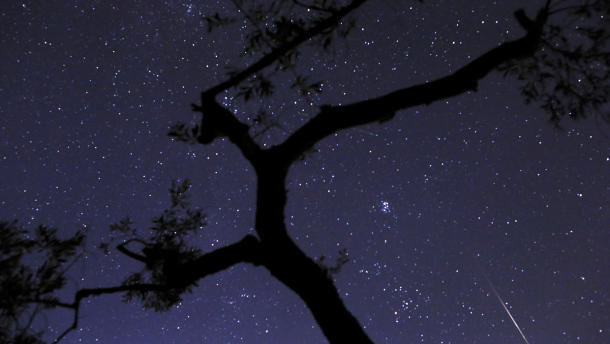
When do the Perseids peak in 2026?
According to the American Meteor Society, the Perseids are typically active from mid-July through late August and reach a strong maximum around August 12–13. In 2026 that peak lined up with very dark, new-moon conditions — ideal for spotting fainter meteors.
Peak nights change a bit year to year, so treat mid-August as your planning window and confirm the exact peak (and moonlight) with AMS or NASA closer to the date.
Best time of night in South Florida
Rates usually climb after midnight and are often strongest in the pre-dawn hours. Some Perseids appear earlier in the evening, but if you only have one shot, set an alarm for later rather than packing it in at 10 p.m.
- Give your eyes 20–30 minutes to adjust.
- Put the phone away (or use a dim red light).
- Lie back — neck strain ends more meteor watches than clouds do.
Where to watch around Miami, Broward & Palm Beach
City glow washes out fainter streaks. You will still see bright ones from a condo balcony, but a safer outdoor spot with a wide sky helps a lot:
- Big Cypress National Preserve (western South Florida / Everglades edge) is often cited among Florida’s darker options — check access, weather, and any park advisories before you go.
- Barrier-island beaches facing east/northeast can work when humidity and storms cooperate; avoid bright pier lighting when you can.
- Quiet parks or boat ramps away from stadiums and highway corridors beat downtown cores.
Never trespass, and skip deserted lots that feel unsafe. Bring water, bug spray (this is South Florida), and a charged phone for emergencies — not for scrolling.
What are you actually seeing?
Perseids are dusty debris from comet 109P/Swift-Tuttle. They appear to radiate near the constellation Perseus in the northeast after midnight, but meteors can streak anywhere overhead. Under dark rural skies, AMS notes typical peak rates on the order of tens of meteors per hour — not a Hollywood firehose, still absolutely worth it.
Gear checklist (keep it simple)
- Reclining chair or blanket
- Light jacket even in August (ocean breeze + sitting still)
- No telescope required
- Optional: thermos, snacks, binoculars for satellites/planes (not needed for meteors)
Planning a weekend around the shower? Pair it with our Things to Do in South Florida locals’ guide and best beaches guide.
Peak timing and moonlight change annually. Confirm with AMS/NASA and local NWS forecasts before you head out. This page describes general viewing habits, not a guaranteed show on any single night.
Leave a Reply
You must be logged in to post a comment.