Evergreen how-to refresh for South Florida heat. Summer here is not a suggestion — it is a lifestyle. If you share your home with a dog, cooling strategies matter year-round, not just in July.
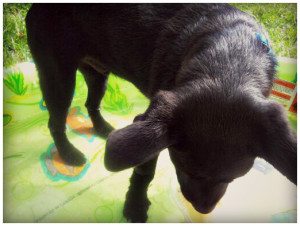
This guide keeps the spirit of our original tips (yes, including Thunder the black lab’s early adventures) and updates them for modern South Florida living. It is not veterinary advice — if your dog shows heatstroke signs (heavy panting, collapse, bright-red gums, vomiting), seek emergency care immediately.
1. Controlled water play
Pools, bay-friendly beaches where dogs are allowed, or a clean kiddie pool in the shade all help. Supervise constantly, rinse after saltwater or treated pool water, and never force a nervous dog into deep water.
2. Hose, sprinkler, or misting fan
A soft mist beats a high-pressure blast. Early morning or evening sessions keep pavement cooler for paws. Skip icy shocks right after intense exercise.
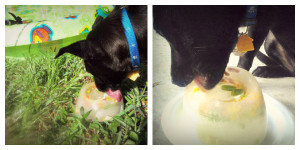
3. Frozen treats (dog-safe only)
Freeze low-sodium broth, dog-safe fruits (skip grapes/raisins), or commercial lick mats. Portion small treats so you are not overfeeding calories for cooling’s sake.
4. Walk timing + paw protection
Asphalt in South Florida can burn paws by late morning. Walk at dawn or after sunset, test pavement with the back of your hand, and consider booties or grass routes. Cars heat-trap fast — never leave a dog unattended in a vehicle.
5. Shade, airflow, and indoor backup
Portable shade, cooling mats, and a fan aimed across (not roaring into) your dog help. AC remains the real hero on heat-advisory days. Grooming for double-coated breeds should follow a groomer’s advice — shaving is not always safer.
South Florida extras
- Sand fleas and no-see-ums love dusk — pack prevention.
- Freshwater lakes may have algae advisories; check local notices.
- Hurricane season prep should include pet go-bags and carrier practice.
Heading outside together? Our things to do guide and beaches guide can help you pick dog-friendlier outings — always verify current pet rules.
Tips are general. Ask your veterinarian about breed-specific heat risks, especially for brachycephalic (short-nosed) dogs.